Unmatched research opportunities and the longest STEM post-study work window of any destination - but 2026 brought major visa changes every applicant needs to know about first.
The USA's real strength is specialisation and research depth - but 2026's regulatory changes mean timing and compliance matter more than ever.
Unmatched depth of specialisation and research opportunities across nearly every academic field.
OPT (12 months) plus the STEM OPT extension (24 months) gives STEM graduates the longest post-study work window of any major destination.
A new fixed 4-year admission period and a shorter 30-day grace period replaced the old open-ended system - this affects real planning decisions.
Unlike the UK, Canada, or Australia, F-1 students generally cannot work at outside businesses. Only on-campus jobs (no authorization needed) or CPT (internships tied to your major, needs DSO approval) are permitted while studying.
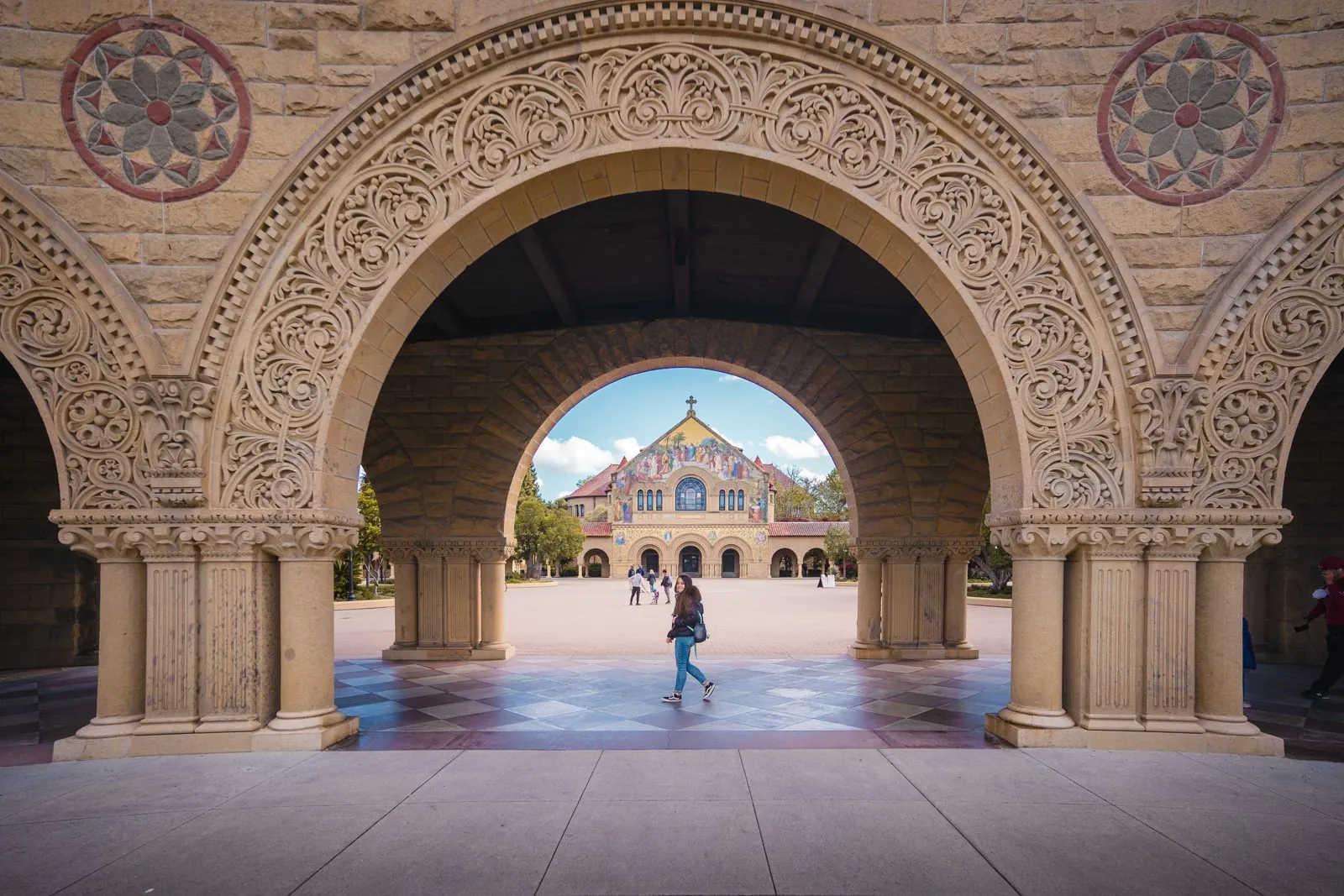
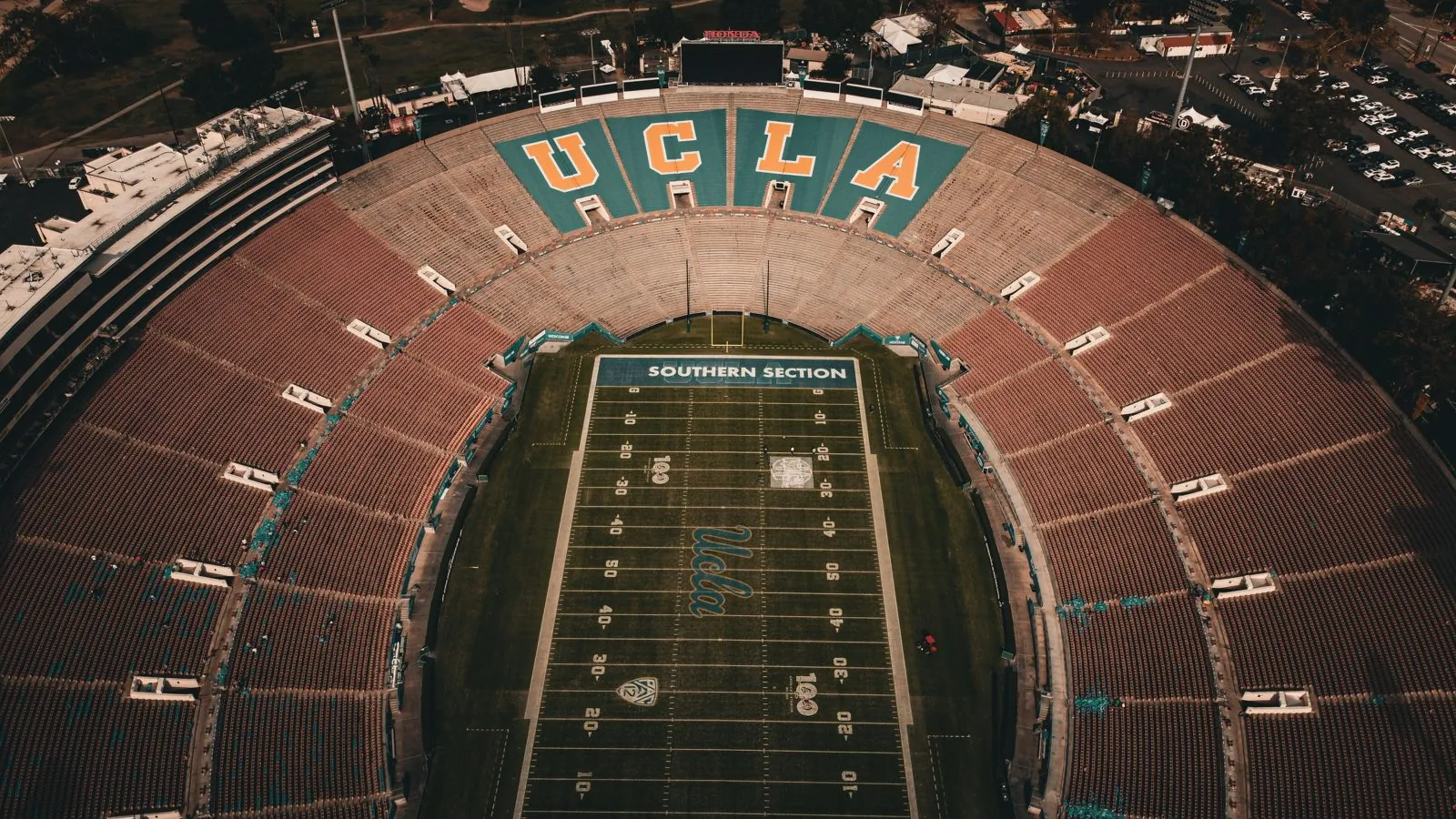
From shortlisting universities to settling in after you land - here's the full path, start to finish, not just the F-1 visa paperwork.
Shortlist SEVP-certified institutions based on ranking, tuition, and course fit. Most US programs run a single Fall (August/September) intake, with some offering Spring (January).
GRE/GMAT (if required by your program) and IELTS/TOEFL/Duolingo. Many Master's programs are now GRE-optional - check per-program requirements.
Submit applications directly to your shortlisted universities with transcripts, Statement of Purpose, and 2-3 letters of recommendation.
Accept your offer and pay any required deposit - your school then registers you in SEVIS and issues your I-20.
Secure your education loan and arrange your total tuition + living cost proof, then pay the $350 SEVIS I-901 fee tied to your I-20.
Complete the DS-160 online application, pay the $185 MRV fee, and attend your in-person consular interview - required for nearly all applicants in 2026.
Book flights (no earlier than 30 days before your I-20 program start date), arrange accommodation, and attend a pre-departure briefing.
Complete check-in with your DSO within the required window, apply for a Social Security Number if working on-campus, open a US bank account, and attend orientation.
A snapshot of well-known US universities popular with Indian students - real rankings and fee ranges, verified against official and independent sources.
Beyond the per-university awards above, these are the most significant India-administered scholarships for US-bound students.
Most international students need an F-1 visa, issued through a five-step process. Official Travel.State.Gov portal →
Only SEVP-certified institutions can enroll F-1 students - roughly 8,700 exist across the US.
Your school registers you in SEVIS and issues your I-20; pay the $350 SEVIS I-901 fee.
The official online nonimmigrant visa application form.
$185 visa application fee - some nationalities also pay an additional reciprocity fee.
In-person interviews are now required for nearly all applicants - the previous interview-waiver program has been significantly reduced.
Real, verified 2026 figures below.
| Item | Typical Range |
|---|---|
| SEVIS I-901 fee | $350 (one-time) |
| Visa application (MRV) fee | $185 (one-time) |
| Total tuition + living, per year (varies by school) | $30,000 - 80,000 (~₹25L - 67L) |
| Proposed Visa Integrity Fee (2026) | ~$250 (implementation pending) |
Optional Practical Training is the F-1 visa's most valuable feature - work authorization tied to your field of study, not a specific employer.
Get an instant, personalised recommendation, or talk to a counsellor about your options.
 UK:
 India:
 Bangladesh:
 Pakistan: