A clear, points-based path toward permanent residency after graduation, globally recognised degrees, and tuition typically 20-30% lower than the US - here's exactly what's required in 2026.
Canada's real advantage isn't just the degree - it's the Post-Graduation Work Permit feeding directly into Express Entry, Canada's points-based PR system.
Work experience from your PGWP feeds directly into Express Entry - the most predictable PR route of any major destination.
Comparable degree quality at noticeably lower tuition than equivalent US programs.
Since January 2026, graduate students at public institutions skip the Provincial Attestation Letter requirement entirely - a genuine recent improvement.
Study permit holders can work up to 24 hours/week off-campus during term time (raised from 20 hours in 2024), and full-time during scheduled breaks, at province minimum wage.
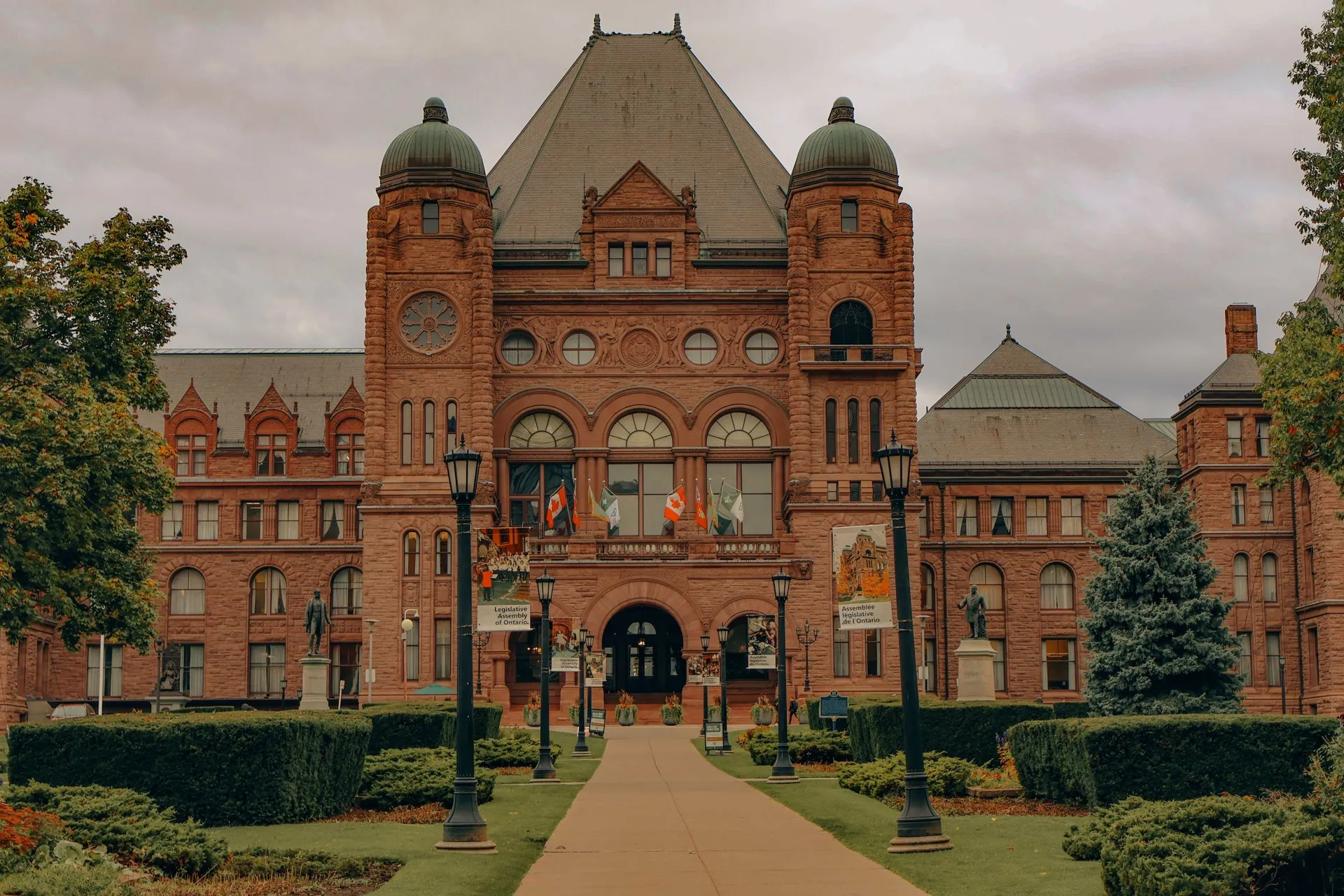

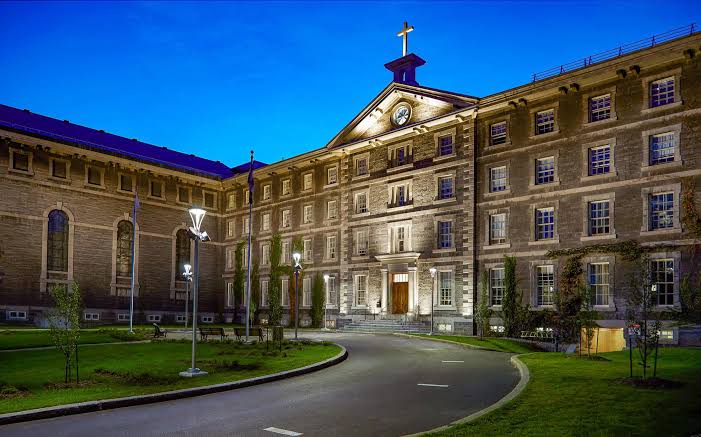
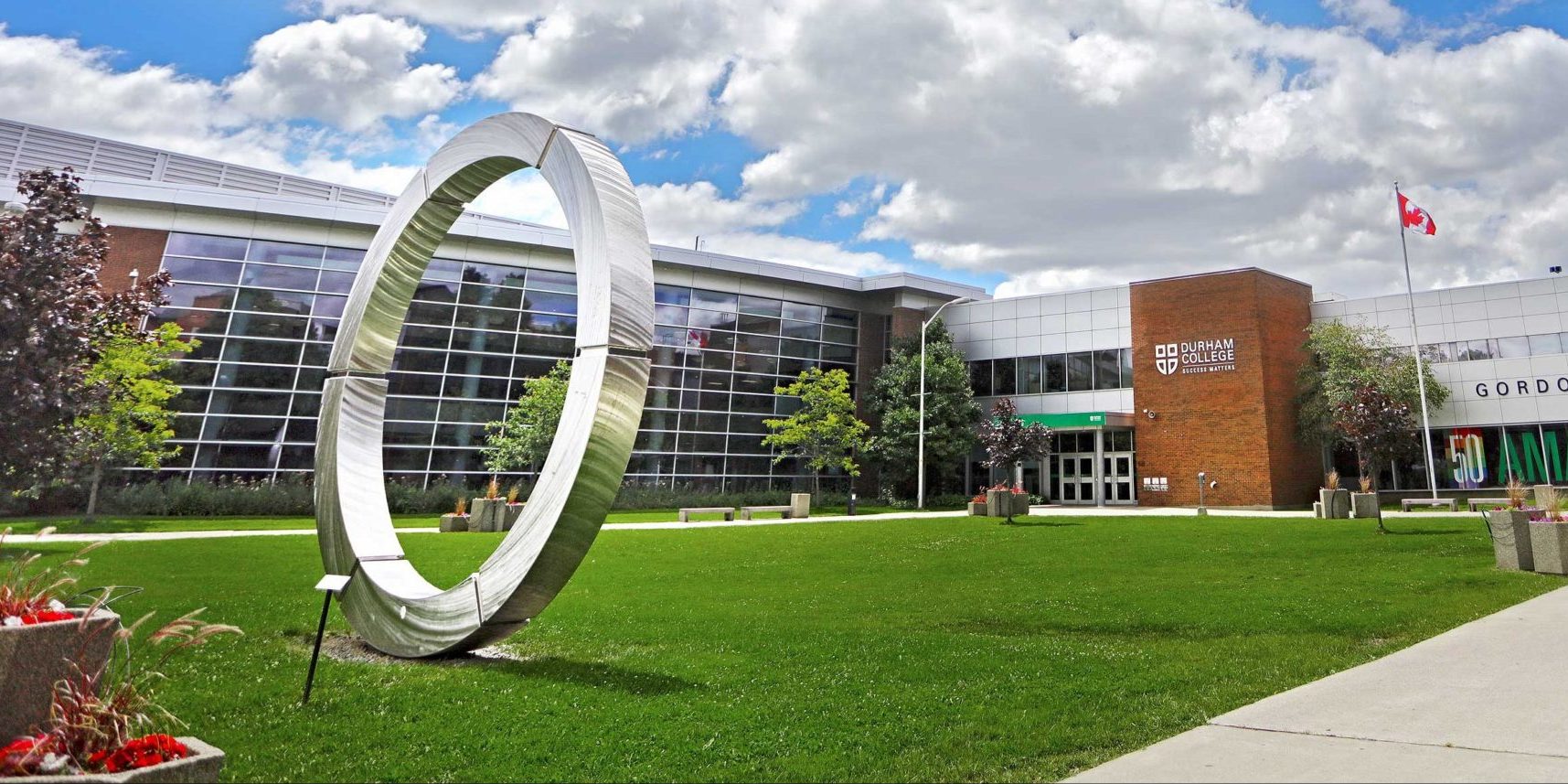
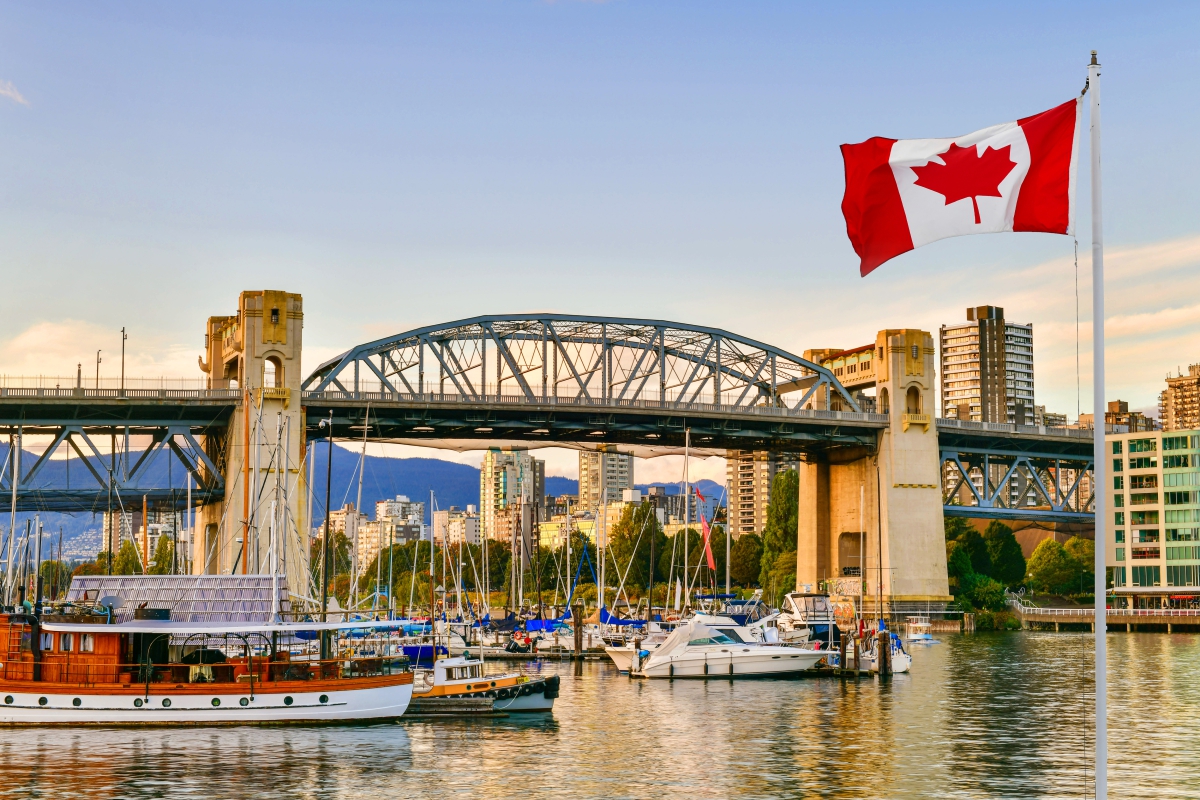
From shortlisting universities to settling in after you land - here's the full path, start to finish, not just the study permit paperwork.
Shortlist Designated Learning Institutions (DLIs) based on ranking, tuition, province, and PGWP eligibility of your program. Decide between September, January, and May intakes.
IELTS/PTE/TOEFL as required. MBA and some Master's programs may also require GMAT or GRE.
Submit applications directly to your shortlisted DLIs with transcripts, Statement of Purpose, and letters of recommendation.
Accept your offer and pay the tuition deposit to secure your seat and receive your official LOA - required for the study permit application.
Secure your education loan and arrange the minimum CAD $22,895 in provable living-cost funds, plus your first-year tuition.
Most UG/college students need a Provincial Attestation Letter before applying. Complete biometrics and any required medical exam as part of your IRCC application.
Book flights, arrange accommodation, get travel/health insurance, and attend a pre-departure briefing covering banking, SIM cards, and winter clothing.
Collect your study permit at the port of entry, apply for your Social Insurance Number (SIN), open a Canadian bank account, and attend university orientation.
A snapshot of well-known Canadian universities - real rankings and fee ranges, verified against official and independent sources.
Beyond the per-university awards above, these are Canada's most significant scholarships open to Indian students.
All international students need a Study Permit issued by Immigration, Refugees and Citizenship Canada (IRCC). Official IRCC portal →
From a Designated Learning Institution (DLI) - only DLIs can host international students.
Most undergraduate/college students need a Provincial Attestation Letter. Master's and PhD students at public DLIs are exempt as of January 2026.
Minimum CAD $22,895 in living expenses (outside Quebec), plus full first-year tuition and travel costs.
Complete biometrics and any required medical exam as part of your application.
If applying from outside Canada, you'll get a port-of-entry letter, with the actual permit issued on arrival.
Costs vary significantly by province - real, verified figures below.
| Item | Typical Range |
|---|---|
| Undergraduate tuition (national average, per year) | CAD $41,746 (~₹24.5L) |
| Graduate tuition (national average, per year) | CAD $24,028 (~₹14.1L) |
| Minimum living costs proof (per year) | CAD $22,895 (~₹13.5L) |
| Study permit + biometrics fee | CAD $235 (one-time) |
The Post-Graduation Work Permit (PGWP) is Canada's biggest draw: up to 3 years of open work authorization for degree-length programs, feeding directly into Express Entry, Canada's points-based permanent residency system. Since November 2024, PGWP applicants need a CLB 7 English score (roughly IELTS 6.0 across all bands) for university graduates - confirm your specific program remains PGWP-eligible before enrolling, as eligibility rules have tightened in recent years.
Get an instant, personalised recommendation, or talk to a counsellor about your options.
 UK:
 India:
 Bangladesh:
 Pakistan: