Globally ranked universities, generous post-study work rights, and a large, well-established international student community - here's exactly what the Subclass 500 visa requires in 2026.
Australia's real draw is what happens after graduation - genuinely long post-study work rights compared to most other destinations.
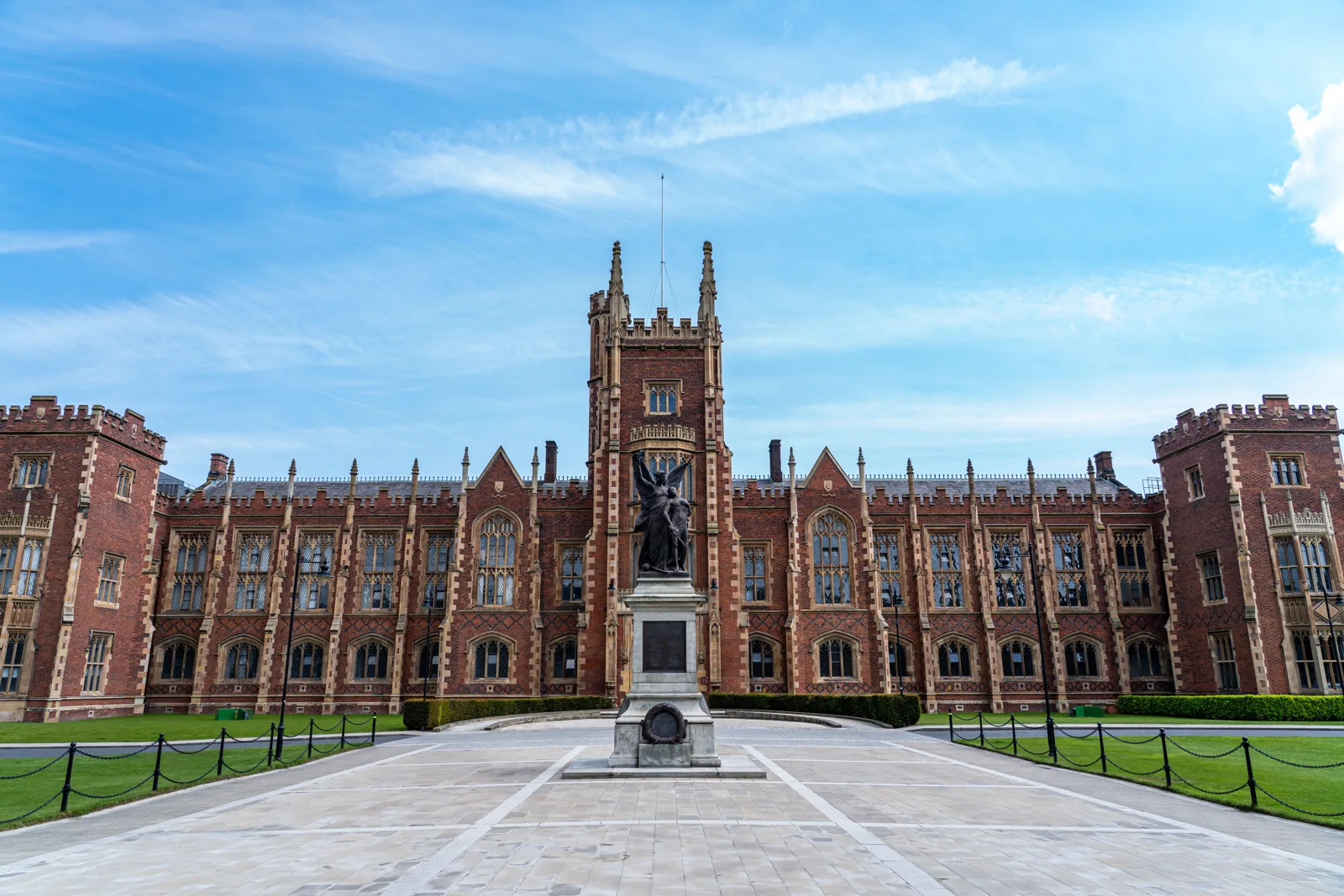
Multiple Group of Eight universities rank consistently in the world's top 100, across every major discipline.
Up to 4 years for PhD graduates, 3 years for Master's by Research - among the longest of any major destination.
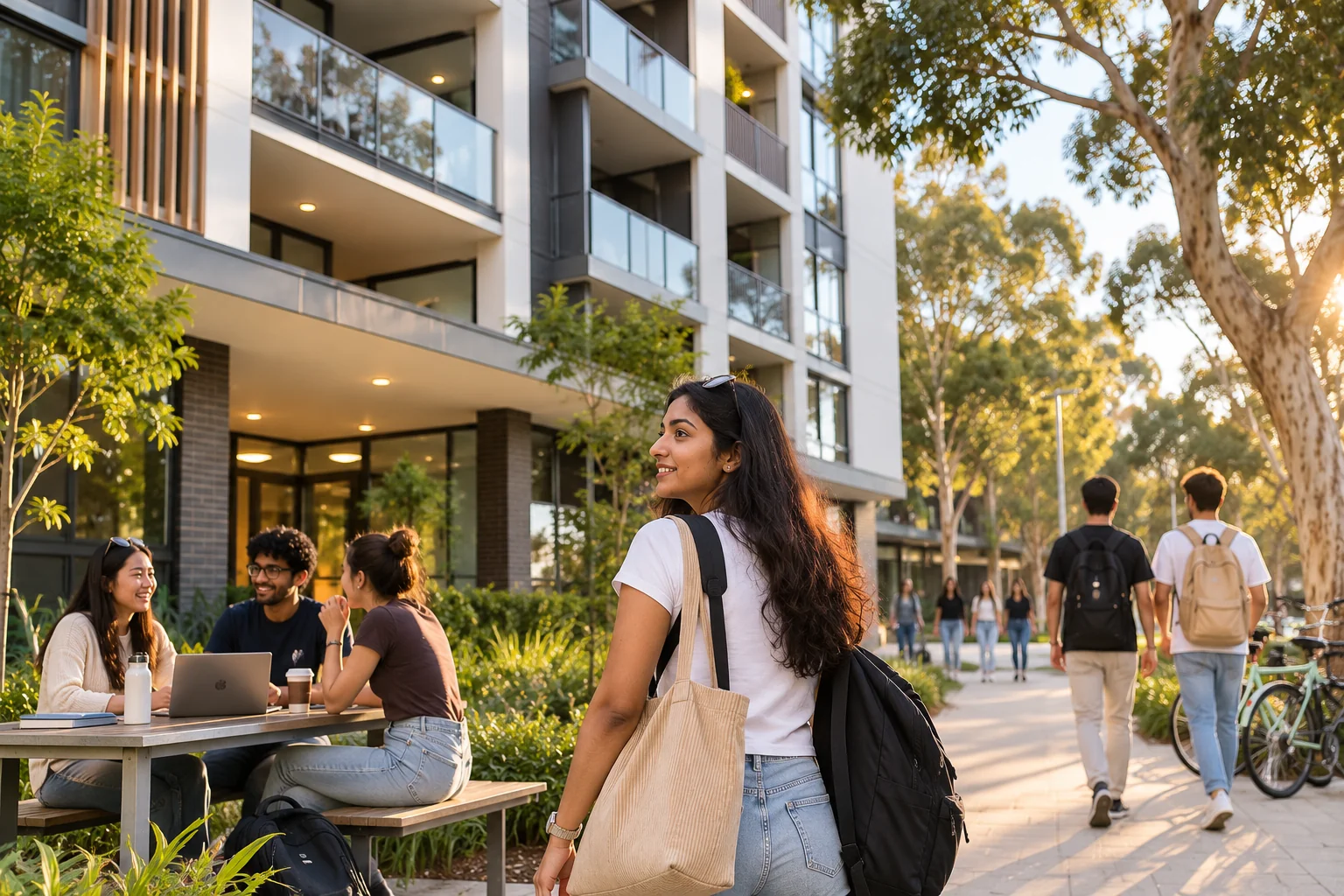
One of the largest Indian international student populations of any country, easing the cultural transition.
Student visa holders can work up to 48 hours per fortnight during term time, and unlimited hours during scheduled breaks, at the national minimum wage.

From shortlisting universities to settling in after you land - here's the full path, start to finish, not just the visa paperwork.
Shortlist CRICOS-registered institutions based on ranking, tuition, city, and course. Decide between February and July intakes.
IELTS/PTE/TOEFL as required. MBA and some postgraduate programs may also require GMAT or GRE and work experience.
Submit applications directly to your shortlisted universities with transcripts, Statement of Purpose, and letters of recommendation.
Accept your offer and pay the deposit to receive your Confirmation of Enrolment (CoE), issued via the PRISMS system - required for your visa application.
Secure your education loan, arrange the AUD $29,710 minimum provable living-cost funds, and write your Genuine Student statement - be specific, not generic.
Arrange Overseas Student Health Cover for your full visa duration, then submit your CoE, GS statement, financial evidence, and English test results via ImmiAccount.
Book flights, arrange accommodation, and attend a pre-departure briefing covering banking, SIM cards, and what to pack.
Apply for your Tax File Number (TFN), open an Australian bank account, activate your OSHC, and attend university orientation.
A snapshot of well-known Australian universities from the Group of Eight - real rankings and fee ranges, verified against official and independent sources.
Beyond the per-university awards above, these Australian Government scholarships are open to Indian students - and one of them ties directly into our two regional, lower-tuition picks.
All international students need a Subclass 500 visa, applied for through the Department of Home Affairs. Official Department of Home Affairs portal →
A Confirmation of Enrolment from a CRICOS-registered institution, issued via the PRISMS system.
A written response (approx. 150-300 words) on why you chose this course and institution - this replaced the old GTE test in 2024 and is heavily scrutinised.
AUD $29,710/year living costs, plus tuition and travel - funds must show a genuine holding history, not a sudden deposit.
Overseas Student Health Cover is mandatory for your entire visa duration, arranged before you apply.
Submit your CoE, GS statement, financial evidence, English test results, and OSHC together.
Real, verified 2026 figures below.
| Item | Typical Range |
|---|---|
| Minimum living costs proof (per year) | AUD $29,710 (~₹16.3L) |
| Postgraduate tuition (per year) | AUD $22,000 - 50,000 (~₹12.1L - 27.5L) |
| Visa application fee | AUD $2,500 (from 1 July 2026) |
| OSHC (health insurance, single student) | AUD $500 - 700/year |
Student visa holders can work up to 48 hours per fortnight during term, and unlimited hours during scheduled breaks.
Get an instant, personalised recommendation, or talk to a counsellor about your options.
 UK:
 India:
 Bangladesh:
 Pakistan: