An English-speaking EU economy, growing tech hub, and a genuinely useful post-study work scheme - here's exactly what's required in 2026.
Ireland hosts European headquarters for major tech and life sciences companies, in an English-speaking environment within the EU.
English is the primary language of instruction and daily life - no additional language study required.
Dublin hosts European headquarters for global tech and life sciences companies, offering strong internship access.
Up to 24 months full-time work rights for Master's/PhD graduates under Stamp 1G, with no employer sponsor required initially.
Stamp 2 holders can work up to 20 hours/week during term time, and up to 40 hours/week during scheduled holiday periods (June-Sept, Dec 15-Jan 15), at Ireland's national minimum wage.
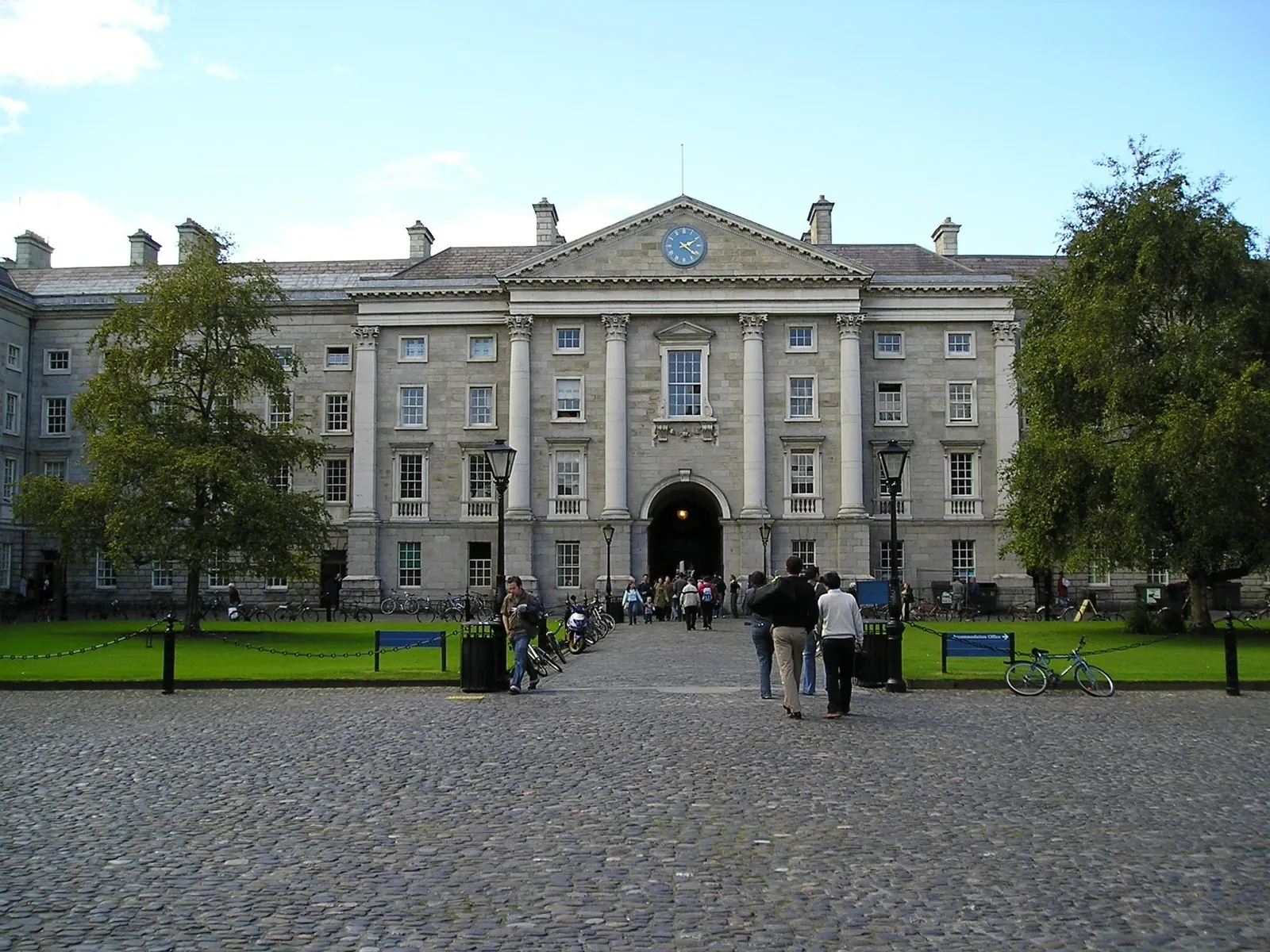
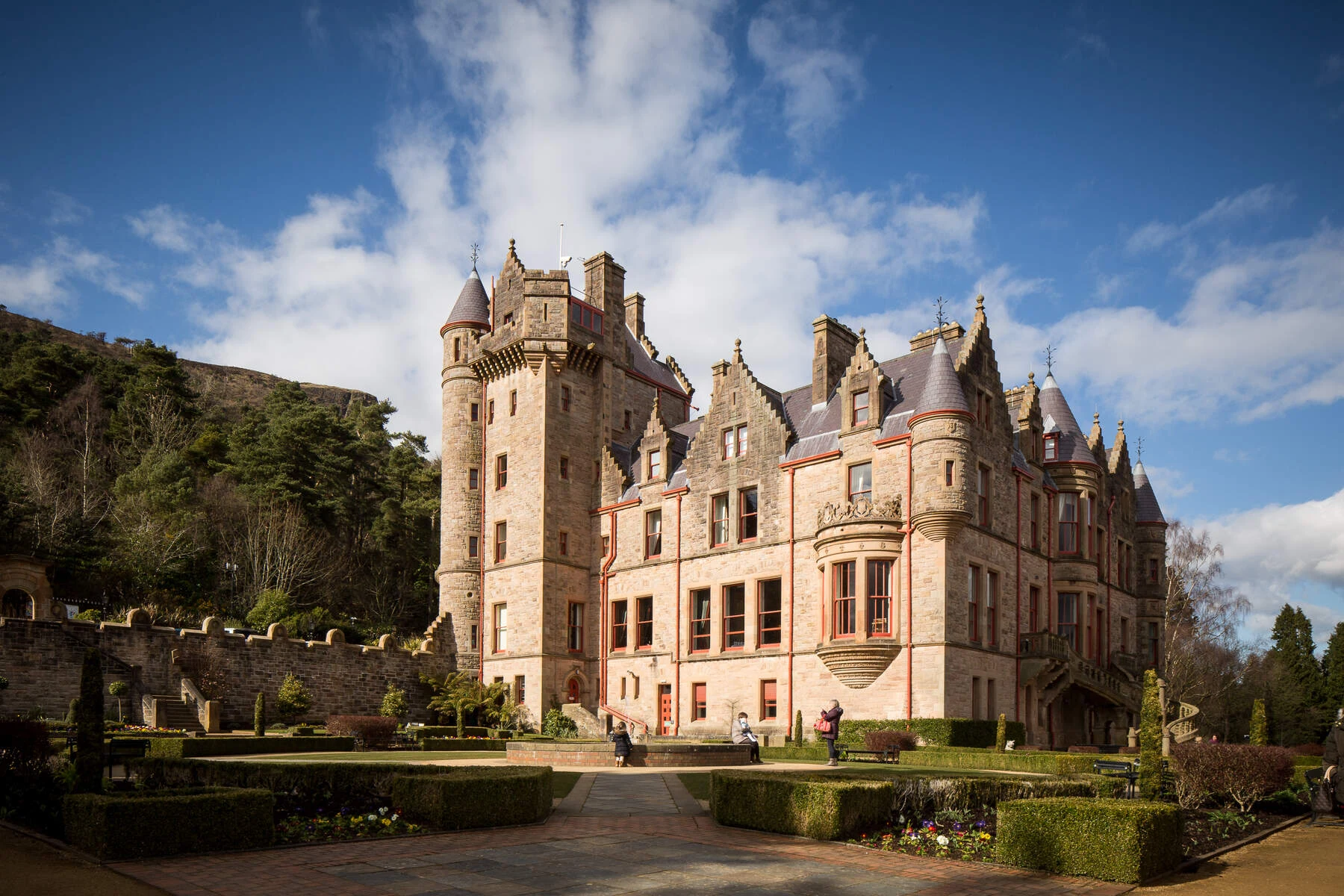

From shortlisting universities to settling in after you land - here's the full path, start to finish, not just the visa paperwork.
Shortlist courses on the Interim List of Eligible Programmes (ILEP) based on ranking, tuition, and city. Decide between September and January intakes.
IELTS/PTE/TOEFL as required by your chosen universities. MBA and some Master's programs may also require GMAT or GRE.
Submit applications via CAO (undergraduate) or directly to universities (postgraduate) with your Statement of Purpose, transcripts, and letters of recommendation.
Accept your offer and pay first-year tuition in full - Ireland requires this before you can apply for your D Study Visa.
Secure your education loan and arrange the €10,000 minimum immediately-available funds required for courses over 8 months, held in your own name.
Complete Ireland's online D Study Visa application, then submit biometrics and supporting documents at your nearest VFS Global centre.
Book flights, arrange accommodation, get travel insurance, and attend a pre-departure briefing covering banking, SIM cards, and what to pack.
Register at the Burgh Quay office in Dublin for your Stamp 2 immigration permission, receive your Irish Residence Permit (IRP) by post, open a bank account, and attend university orientation.
A snapshot of well-known Irish universities - real rankings and fee ranges, verified against official and independent sources.
Beyond the per-university awards above, these Irish government scholarships are open to Indian postgraduate students.
Non-EEA students need a D Study Visa before travel, then register for Stamp 2 immigration permission on arrival in Ireland.
From a course listed on the Interim List of Eligible Programmes (ILEP), with first-year tuition paid.
Complete Ireland's official online visa application system with all supporting documents.
€10,000 in immediately available funds for courses over 8 months, held in your own name.
Submit fingerprints, photo, and documents at your nearest VFS Global centre.
At the Burgh Quay office in Dublin, receiving your Irish Residence Permit (IRP) card by post.
Real, verified 2026 figures below.
| Item | Typical Range |
|---|---|
| Minimum proof of funds (courses over 8 months) | €10,000 (~₹9.4L) |
| Visa application fee | €60 single-entry / €100 multiple-entry |
| IRP registration fee | €300 |
| Minimum wage (2026) | €12.70/hour |
After completing an NFQ Level 8+ qualification, graduates can apply for Stamp 1G, allowing full-time work while seeking longer-term employment.
Get an instant, personalised recommendation, or talk to a counsellor about your options.
 UK:
 India:
 Bangladesh:
 Pakistan: